News Update ·2026-11-20·17:55·1,459 views
British Kashmiri Councillor Daalat Ali Details Arbitrary Travel Detention in Pakistan
برطانوی کشمیری کونسلر دولت علی کی پاکستان میں غیر قانونی سفری حراست کی تفصیلات
Watch this video on your TV (Chromecast, Android TV, Apple TV, smart TV):
- Android phone: start the video, then tap the Cast icon in the player (top right).
- iPhone / iPad: start the video, tap full screen, then the AirPlay icon.
- Computer (Chrome / Edge): menu ⋮ > Cast… > choose your TV.
The phone and the TV must be on the same Wi-Fi.
“We should never be quiet; we should fight for our rights, which is our fundamental human right.”
“ہمیں خاموش نہیں رہنا چاہیے؛ ہمیں اپنے بنیادی حقوق اور انسانی آزادی کے لیے کھڑے ہونا ہوگا۔”
Arrival and Initial Detention in Islamabad
Assalamu Alaikum. My name is Daalat Ali. I'm a deputy leader at Rochdale Council. I'm a Labour councillor. We've got twin town, Sahiwal, Lviv, and some in Germany. And usually every year mayor visits one or two or all of them.
And we have been visiting Sahiwal, which is twin town for Rochdale, every year. Every mayor goes there. So with the mayor goes one of the senior politicians, and this year, our MP Paul Waugh was supposed to go, but he became a minister, so obviously he got compromised. Our leader, Neil Emmott, always wanted to go to Kashmir,
and he didn't go because of the situation in Kashmir. So I ended up as a senior politician accompanying the mayor. And then I was looking forward to it. I've never been to Sahiwal. I've been on GT Road, but I've never been in inner Punjab. I wanted to see it. And then some cultural exchanges. We traveled on 17th from Manchester,
stayed overnight in Dubai, and on 19th morning, we went to Islamabad Airport. As I approached the immigration desk, the lady stamped it and then something triggered, and she really, really jumped and says, 'Sir, sir, sir,' and some inspector from FIA, Federal Investigation Agency, came over and they asked me to come aside.
Which I did, and then normal people were going now. So I kept asking them, you know, like, what's going on? We had a little bit of hint, in a sense that the Consul General of Manchester had confided in Councillor Rana, our mayor, that he shouldn't take me with him, there might be some problems.
So I assume that they might have reported me already. So myself and Councillor Rana, we said, 'Well, we're going on a friendly visit with a delegation, why not?' So we went there and see what happens. So they pulled us aside, and Councillor Rana and his
Basharat and one of the officers called Naz, we were all together. And then the FIA asked them to go, and they said, 'No.' They stood by me, we are in a delegation and we're going together. So we were there for about three hours or four hours. Nothing happening.
So we did, our officer Naz did get in contact with our MP Paul Waugh and council leader, and I spoke to council leader and other relevant people, including Her Excellency, the High Commissioner in Islamabad. So she got in touch. Because I was dual national, and some people think that if you don't have a NADRA card, you're not dual national,
unless you really, really declare at Consulate General and go through a process and fill the form in, whether you have a NADRA card or not, you're still considered a dual national. And once you're a dual national, it compromises powers of British authorities to help you. So they were compromised.
However, they do help you if you become ill. And while all this was going on, I became very anxious, and then I became unwell. The doctors were called in, and they were very nice. And then the FIA staff was very, very courteous and very nice. I was not under arrest or anything. And they took me to airport hospital in an ambulance.
And there, while I was there, they were checking up, the inspector came running and he said, my passport stamped, and he said, 'You're free to go.' So I understood that everything had been sorted out.
Official Visits, Meetings, and Public Health Events
So as prearranged, we went to see Her Excellency, the UK High Commissioner in Islamabad. We were at her residency and we told her what happened. And she said, yeah, well, she made some embarrassing phone calls, she said. That was her word. And then we talked about cultural exchange, we talked about some of the grooming issues in Rochdale,
and then Pakistan not taking some of the culprits, and then all sorts. We talked about business, she said 5 billion pounds of business is being carried out with Pakistan. And I said, 'Well, we only see rice and mangoes, you know, like how, where the 5 billion is. Probably minerals and all the rest of it.' Anyway, and after that, we went to see, we were invited by
ex-Prime Minister of Pakistan, Raja Pervaiz Ashraf. We went to his residency with a cup of tea, and we talked about, because he was delegate in the Charter of Demands signatories in Muzaffarabad with Action Committee. We talked about that and he told us what had happened, and also I got the notion that
probably Action Committee was very arrogant and they were not very, they didn't have any, they're not political. They're ordinary people and they're shopkeepers and whatever. Anyway, I got that impression. So he didn't, and after that, we went to Sahiwal. We really, really enjoyed it. We the mayor inaugurated an eye hospital.
There were about 200 people, men, women, older people who otherwise wouldn't have got any help. They had operations. It was Al-Mahmood Foundation. Tahir Mahmood, the RCM chair, who lives in Rochdale, runs a charity and he does a lot of work. He was the one who instigated that. We saw MRI machines and all the rest of it.
It was really, really good. And I was asked to speak. And then also we went to Al-Khidmat Hospital. Same again, the operations and people... So I was asked to speak, and because I'm responsible for Health and Wellbeing, I picked up that no charity does prevention work and no charity does after operations, you know, like aftercare.
So I tried to home in that. And also we went to universities, we went to cultural events, we went to see police station, we had a meeting with the commissioner, and Sahiwal is beautiful. The streets are clean, they are very wide.
Every college, they're built in Victorian-type of colleges, trees, it was magnificent. It was an eye-opener for me. It's absolutely beautiful. And I said, when I was signing the book, I said, 'If you haven't come to Sahiwal, you haven't come to this world.'
It's that good. And we went to Councillor Faisal, mayor's village, we were received very well. And then we went to Faisalabad. There, we looked at halal capsule factory and then there was a sewing machine workshop. Somebody joined us who lives in Preston, I think, East Lancashire,
and lives in Azad Kashmir, Chakswari. We were joined by him. So it was a really good venture, you know, like micro sort of business ideas we discussed. Then we went to Lahore.
Offloaded at Lahore Airport and Bureaucratic Standoff
So we came to Lahore and before going to the airport, I was just reflecting in my head, you know, like, how wonderful people of Pakistan are, how receptive. Everywhere we went, they showed us love and affection and everything. And with me being political, I really did across the board, from Islamabad to the whole of Punjab that we visited,
asked people, and people are very, very scared. And people really, really support Imran Khan. And they don't say it, and they can't say it, and they say their houses will be demolished, their pension will be stopped, women will be taken away, their relatives will lose jobs. The oppression, and I must admit that I have seen
Ayub's martial law, I'm an old man, I've witnessed Zia-ul-Haq's martial law and Pervez Musharraf. This is the worst martial law in stealth, underneath. And I will tell you why I say this. Politicians have no power at all. So anyway,
we were stopped again at Lahore and they said, 'You can't go.' I said, 'Why not?' And the FIA staff was really, really good again, and they were really nice people. There was this lady in charge of it, she was ringing Islamabad, FIA headquarters, and says, 'He's an old man, he's no threat, he's going back. You know, like let him go.'
She tried her best and they wouldn't let me go. So they called it offloaded. They were very nice, I just sat there with them. And one of the officers told me, he said, 'Look, you're not the only one. There are more, half a million to one million Pakistanis on ECL, PCL, same cases as yours. And there are about 100,000 Kashmiris,
and the list is growing and there's nothing we can do.' And I said, 'Well, what is the charge?' And they didn't know what the charge was. And I genuinely believe that, it's not that they didn't want to tell me, there was no charge. They just put me there. So Faisal Rana voluntarily came off, very nice of him, because I didn't know anybody in Lahore, I knew people in Islamabad.
So we traveled all night to Islamabad. And I feared, and Faisal, being Faisal, an ex-army man, the mayor, wanted me to go to FIA office and I said, 'No.' I said, 'If we go there without anybody knowing, we could disappear.' So I rang one of my friends who is in politics, and then we went to see Raja Pervaiz Ashraf again,
and I told him what it was and he directly rang the person in charge of Kashmir, I think they call Brigadier Faiq or something, and I was listening to his conversation. And rightly so, Raja sahib told him that he is my friend, he is a writer, he does a lot of cultural things, and he's not against Pakistan. And I am not against Pakistan. Pakistan does not belong to one
politicians or army. Pakistan belongs to the people of Pakistan.
Return Journey, Transnational Intimidation, and Legal Recourse
And I love Pakistan and I love the people of Pakistan. And then the reply was, 'I'll sort it out.' And then came Friday. Raja sahib went to parliament and met Talal Chaudhry, who is our Home Minister. And nothing again. By that time, I started getting worried. So I started ringing in again Paul Waugh, and then I had a phone call from
All-Party Kashmir Group, Parliamentary Kashmir Group, MP Imran Hussain from Bradford, who is the chair of that. I told him what it was, and one of my cousins in the House of Lords, Lord Qurban, he rang me. There were other MPs really, really worried and they were ringing me. So I told them what it was. So I believe that they all sort of made
representation to Foreign and Commonwealth Office, and at some point, I think my MP, Paul Waugh, I can't thank him enough, and I never could, what he did, he got onto probably Foreign Minister at a team meeting, Ed Miliband. And in the meantime, Her Excellency, the High Commissioner of UK in Islamabad was really, really good.
She had allocated two people on my case, one was Sania Azhar and the other one was Albert. And they kept ringing me after every two hours, seeing if I'm okay. And they kept advising me to get a solicitor. I couldn't get a solicitor because I didn't know what the case was, and there was no case. And while I was there, I learned there are so many Pakistanis
and Kashmiris in that category, and they can't leave, they are in limbo, they have no money, they have no cases against them. It's just a case of harassment, and it's a case of scaremongering and teaching people a lesson not to speak against oppression, and that's what it was. And then while I was in Islamabad, me and Naz, the officer,
we had access to social media and other articles. You know, like I was deemed as domestic terrorist by one of the radio websites in Rochdale, Roch Valley Radio. And when I approached them, they said, 'Oh, there are people, political opposition...' ...who sort of gave us the press release and all that. should have said that, and there was an article in evening news.
They kept ringing me, BBC and what have you, but I was really advised by High Commission to stay quiet and not say anything until I get out. So, I still don't know what the case is against me. I got out because of High Commissioner's intervention and politician's intervention here. And then I came back, and it's really impacted me, but what I'd like to say is,
it's not only impacting me, it's impacting 1.5 million Kashmiris living here. They're going through mental health problems. The kids can't speak to their grandparents, and everybody has a relatives who's been affected there, who's been arrested, who's been taken away, they don't know where their whereabouts. Their houses have been demolished,
their motorcycles have been burnt. This is a jungle law, and there is absolute no news coming out. So, what Pakistanis here and Pakistani consulate generals and intelligence here and ISI's placed in Britain, it's trying to misinform and trying to scare people to keep quiet. And then, I can tell you, I'm not going to be quiet because I've never been a oppressed in this sense. I've always spoken out for people's rights,
I always will, wherever the injustices are. I speak out for Palestine, I speak out for I spoke out for Rwanda, I spoke out for Bosnia, I spoke out for you know, what's happening in India, and I'm speaking out to what is happening at my own doorstep, my own people. So, there is nobody who is going to keep me quiet. I came out on Thursday, there was a demonstration on Monday, I went to that one, and I will be going to every demonstration possible.
And that is my story. So, I'd like to take this opportunity to thank everybody who prayed for me, who rang me, who texted me, who lobbied on my behalf and who helped me get out of that situation.
And like I said, I'm not going to be quiet. I'm building up my case to take it to Human Rights in Geneva very soon, because it's not my individual case, it's a case study, and it's hundreds of thousands of Kashmiris living abroad, and Pakistanis living abroad, and we should never be quiet. We should, we shouldn't be violent, we shouldn't be swearing at people like some people did, but we should fight for our rights, which is our human rights.
And if you can't do it in Europe and elsewhere, where else would you be able to do it? Thank you.
British Kashmiri politician Daalat Ali, Deputy Leader of Rochdale Borough Council, recounts his detention and harassment by Pakistani authorities during an official delegation visit. Upon arrival at Islamabad airport on 19 May, he was detained for several hours by the Federal Investigation Agency (FIA) before diplomatic interventions secured his temporary release. Later, when attempting to depart from Lahore airport, he was 'offloaded' and barred from leaving without any formal charges or explanation. Following extensive lobbying by British members of parliament and the UK High Commission in Islamabad, he was eventually permitted to return to Britain. Ali condemns the widespread use of exit-control and entry-ban lists against diaspora figures and activists, announcing plans to submit a formal human rights complaint in Geneva.
Analysis
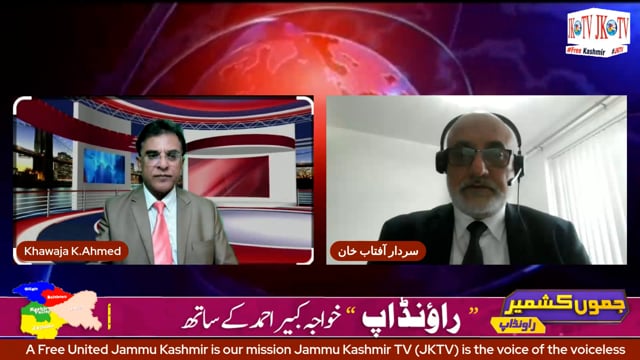
Source and framing: The interview is published by Jammu Kashmir TV (JKTV) and features a direct first-person testimony from Councillor Daalat Ali, a Labour politician from Rochdale. The framing centres on state surveillance, political intimidation, and arbitrary travel restrictions imposed on diaspora Kashmiris by Pakistani security and immigration agencies. The narrative reflects the perspective of an elected British Kashmiri representative challenging administrative harassment.
Fact-check: Ali describes being detained upon arrival at Islamabad airport, questioned by the FIA, and subsequently offloaded at Lahore airport on grounds of being placed on an exit-control or stop list. These occurrences align with wider documented patterns of Pakistani authorities placing political activists, journalists, and diaspora dissidents on the Exit Control List (ECL) or Provisional National Identification List (PNIL). While his account of diplomatic interventions by UK MPs and the British High Commission is consistent with official consular duties, the specific legal grounds or intelligence files behind his interception remain unstated by Pakistani state authorities.
Kashmiri perspective: For the Kashmiri diaspora—particularly the large community from Azad Jammu Kashmir (AJK) living in northern England—this testimony touches on a deep, pervasive insecurity. Many overseas Kashmiris report routine monitoring by consular and intelligence networks, harassment when visiting family or ancestral land, and fear of arbitrary detention if they vocalise criticism regarding governance, fundamental rights, or state policy.
Across the line: Arbitrary travel bans, look-out circulars, and passport revocations targeting Kashmiri diaspora members and rights activists are heavily mirrored on the Indian-administered side. In Jammu and Kashmir Union Territory, journalists, researchers, and dissidents have frequently faced airport stops, denied exit clearances, and passport cancellations by Indian immigration authorities without judicial recourse.
Rights and democratic freedoms: The incident highlights serious breaches of fundamental civil liberties, notably the arbitrary deprivation of freedom of movement, denial of due process, and retaliatory targeting for political expression. The use of undisclosed blacklists against citizens and dual nationals infringes on international covenants on civil and political rights.
Voices missing: The testimony naturally lacks responses from the Pakistan Federal Investigation Agency, the Interior Ministry, or the Pakistan High Commission in London, whose explanations for Ali's inclusion on watchlists and subsequent offloading are essential to complete the legal context.
Editorial takeaway: The arbitrary detention and airport offloading of Councillor Daalat Ali expose how surveillance and political intimidation are weaponised against diaspora Kashmiris. Peaceful political engagement and expression must not be criminalised through extra-legal watchlists.
اسلام آباد آمد اور ایئرپورٹ پر ابتدائی حراست
السلام علیکم۔ میرا نام دولت علی ہے۔ میں روچڈیل کونسل میں ڈپٹی لیڈر ہوں۔ میں ایک لیبر کونسلر ہوں۔ ہمارے جڑواں شہر ہیں، ساہیوال، لویو، اور کچھ جرمنی میں۔ اور عام طور پر ہر سال میئر ان میں سے ایک، دو یا سب کا دورہ کرتے ہیں۔
اور ہم ساہیوال کا دورہ کرتے رہے ہیں، جو روچڈیل کا جڑواں شہر ہے، ہر سال۔ ہر میئر وہاں جاتا ہے۔ چنانچہ میئر کے ساتھ سینیئر سیاستدانوں میں سے کوئی جاتا ہے، اور اس سال، ہمارے رکن پارلیمنٹ پال واگھ کو جانا تھا، لیکن وہ وزیر بن گئے، اس لیے ظاہر ہے وہ مصروف ہو گئے۔ ہمارے لیڈر، نیل ایموٹ، ہمیشہ کشمیر جانا چاہتے تھے،
اور وہ کشمیر کی صورتحال کی وجہ سے نہیں گئے۔ تو ایک سینیئر سیاستدان کے طور پر میں میئر کے ساتھ چلا گیا۔ اور مجھے اس کا بے صبری سے انتظار تھا۔ میں کبھی ساہیوال نہیں گیا تھا۔ میں جی ٹی روڈ پر تو گیا ہوں، لیکن اندرونِ پنجاب کبھی نہیں گیا۔ میں اسے دیکھنا چاہتا تھا۔ اور پھر کچھ ثقافتی تبادلے بھی تھے۔ ہم نے 17 تاریخ کو مانچسٹر سے سفر کیا،
دبئی میں رات گزاری، اور 19 کی صبح، ہم اسلام آباد ایئرپورٹ پہنچے۔ جیسے ہی میں امیگریشن ڈیسک پر پہنچا، خاتون نے مہر لگائی اور پھر کچھ گڑبڑ ہوئی، اور وہ ایک دم سے اچھل پڑی اور کہنے لگی، 'سر، سر، سر،' اور کوئی انسپکٹر ایف آئی اے، فیڈرل انویسٹی گیشن ایجنسی کا، وہاں آیا اور انہوں نے مجھ سے ایک طرف آنے کو کہا۔
جو میں نے کیا، اور پھر عام لوگ نکل رہے تھے۔ تو میں ان سے مسلسل پوچھتا رہا کہ آخر چل کیا رہا ہے؟ ہمیں اس بات کا تھوڑا سا اندازہ تھا، اس لحاظ سے کہ مانچسٹر کے قونصل جنرل نے ہمارے میئر کونسلر رانا سے رازداری میں کہا تھا، کہ وہ مجھے ساتھ نہ لے جائیں، کچھ مسائل پیدا ہو سکتے ہیں۔
تو میرا خیال ہے کہ انہوں نے شاید پہلے ہی میری رپورٹ کر دی تھی۔ تو میں نے اور کونسلر رانا نے کہا، 'ہم تو ایک دوستانہ دورے پر جا رہے ہیں، ایک وفد کے ساتھ، تو کیوں نہ جائیں؟' تو ہم وہاں گئے کہ دیکھیں کیا ہوتا ہے۔ چنانچہ انہوں نے ہمیں ایک طرف روک لیا، اور کونسلر رانا اور ان کے
بشارت اور ایک آفیسر جن کا نام ناز تھا، ہم سب ساتھ تھے۔ اور پھر ایف آئی اے نے ان سے جانے کو کہا، تو انہوں نے کہا، 'نہیں۔' وہ میرے ساتھ کھڑے رہے کہ ہم ایک وفد ہیں اور ساتھ ہی جائیں گے۔ تو ہم وہاں تقریباً تین گھنٹے یا چار گھنٹے رہے، کچھ بھی نہیں ہو رہا تھا۔
تو ہم نے، ہماری آفیسر ناز نے ہمارے رکن پارلیمنٹ پال واگھ سے رابطہ کیا اور کونسل لیڈر سے، اور میں نے کونسل لیڈر سے بات کی اور دوسرے متعلقہ افراد سے، بشمول عالی جناب، اسلام آباد میں ہائی کمشنر سے۔ تو انہوں نے رابطہ کیا۔ چونکہ میں دوہری شہریت رکھتا تھا، اور کچھ لوگ سمجھتے ہیں کہ اگر نادرا کارڈ نہ ہو تو آپ دوہری شہری نہیں ہیں،
جب تک آپ باقاعدہ قونصل خانے میں اعلان نہ کریں اور ایک عمل سے گزر کر فارم نہ بھریں، چاہے آپ کے پاس نادرا کارڈ ہو یا نہ ہو، آپ کو پھر بھی دوہری شہریت کا حامل سمجھا جاتا ہے۔ اور ایک بار جب آپ دوہری شہری ہوں، تو اس سے برطانوی حکام کے اختیارات محدود ہو جاتے ہیں کہ وہ آپ کی مدد کر سکیں۔ چنانچہ ان کے اختیارات محدود تھے۔
تاہم، اگر آپ بیمار پڑ جائیں تو وہ مدد ضرور کرتے ہیں۔ اور جب یہ سب چل رہا تھا، تو مجھے شدید بے چینی ہوئی اور میری طبیعت خراب ہو گئی۔ ڈاکٹروں کو بلایا گیا، اور وہ بہت اچھے تھے۔ اور ایف آئی اے کا عملہ بھی بہت بااخلاق اور اچھا تھا۔ میں گرفتار وغیرہ نہیں تھا۔ اور وہ مجھے ایمبولینس میں ایئرپورٹ ہسپتال لے گئے۔
اور وہاں، جب میرا معائنہ ہو رہا تھا، انسپکٹر دوڑتا ہوا آیا اور بولا کہ پاسپورٹ پر مہر لگ چکی ہے اور کہا، 'آپ جانے کے لیے آزاد ہیں۔' تو میں سمجھا کہ سب کچھ حل ہو گیا ہے۔
سرکاری دورے، ملاقاتیں اور فلاحی مصروفیات
چنانچہ طے شدہ پروگرام کے مطابق، ہم ملنے گئے اسلام آباد میں برطانوی ہائی کمشنر سے۔ ہم ان کی رہائش گاہ پر تھے اور ہم نے انہیں بتایا کہ کیا ہوا۔ انہوں نے کہا کہ انہوں نے کچھ شرمندہ کر دینے والی فون کالز کی تھیں۔ یہ ان کے اپنے الفاظ تھے۔ اور پھر ہم نے ثقافتی تبادلے کے بارے میں بات کی، ہم نے روچڈیل میں گرومنگ کے کچھ مسائل پر بات کی،
اور اس پر کہ پاکستان کچھ مجرموں کو واپس نہیں لے رہا، اور اسی طرح کے دیگر معاملات۔ ہم نے تجارت پر بات کی، انہوں نے کہا کہ 5 ارب پاؤنڈ کا کاروبار پاکستان کے ساتھ ہو رہا ہے۔ اور میں نے کہا، 'ہمیں تو صرف چاول اور آم ہی نظر آتے ہیں، آخر یہ 5 ارب کہاں ہیں۔ شاید معدنیات اور باقی چیزیں ہوں گی۔' بہرحال، اور اس کے بعد ہم ملنے گئے، ہمیں دعوت دی تھی
سابق وزیراعظم پاکستان راجہ پرویز اشرف نے۔ ہم ان کی رہائش گاہ پر گئے چائے پی، اور ہم نے گفتگو کی، چونکہ وہ نمائندے تھے مطالبات کے چارٹر پر دستخط کرنے والوں میں مظفرآباد میں ایکشن کمیٹی کے ساتھ۔ ہم نے اس پر بات کی اور انہوں نے بتایا کہ کیا کچھ ہوا تھا، اور مجھے یہ تاثر بھی ملا کہ
شاید ایکشن کمیٹی کافی مغرور تھی اور وہ زیادہ، ان کا کوئی، وہ سیاسی نہیں ہیں۔ وہ عام لوگ ہیں، اور دکاندار وغیرہ ہیں۔ بہرحال، مجھے یہ تاثر ملا۔ تو انہوں نے نہیں، اور اس کے بعد ہم ساہیوال گئے۔ ہم نے واقعی بہت لطف اٹھایا۔ ہم نے میئر نے آنکھوں کے ایک ہسپتال کا افتتاح کیا۔
وہاں تقریباً 200 لوگ تھے، مرد، خواتین، بوڑھے لوگ جنہیں بصورت دیگر کوئی مدد نہ ملتی۔ ان کے آپریشن ہوئے۔ یہ المحمود فاؤنڈیشن تھی۔ طاہر محمود، آر سی ایم کے چیئرمین، جو روچڈیل میں رہتے ہیں، ایک فلاحی ادارہ چلاتے ہیں اور بہت کام کرتے ہیں۔ انہوں نے ہی یہ شروع کیا۔ ہم نے ایم آر آئی مشینیں اور باقی سب کچھ دیکھا۔
یہ واقعی بہت ہی شاندار تھا۔ اور مجھ سے تقریر کرنے کو کہا گیا۔ اور پھر ہم الخدمت ہسپتال بھی گئے۔ وہاں بھی وہی آپریشنز اور لوگ... تو مجھے بولنے کے لیے کہا گیا، اور چونکہ صحت اور بہبود کی ذمہ داری میرے پاس ہے، میں نے نشاندہی کی کہ کوئی بھی ادارہ بیماری سے بچاؤ پر کام نہیں کرتا اور نہ ہی کوئی آپریشن کے بعد دیکھ بھال یعنی آفٹر کیئر کا کام کرتا ہے۔
چنانچہ میں نے اس نقطے پر زور دینے کی کوشش کی۔ اور ہم یونیورسٹیوں میں بھی گئے، ہم ثقافتی پروگراموں میں گئے، ہم نے جا کر تھانہ دیکھا، کمشنر کے ساتھ ہماری میٹنگ ہوئی، اور ساہیوال خوبصورت ہے۔ سڑکیں صاف ستھری ہیں، وہ کافی کشادہ ہیں۔
ہر کالج، وہ وکٹورین طرز کے کالجز بنے ہوئے ہیں، درخت، یہ سب شاندار تھا۔ یہ میرے لیے آنکھیں کھول دینے والا تھا۔ یہ بے حد خوبصورت ہے۔ اور میں نے کہا، جب میں مہمانوں کی کتاب پر دستخط کر رہا تھا، میں نے کہا، 'اگر آپ ساہیوال نہیں آئے، تو آپ اس دنیا میں ہی نہیں آئے۔'
یہ اتنا عمدہ ہے۔ اور ہم کونسلر فیصل، میئر کے گاؤں گئے، ہمارا بہت شاندار استقبال کیا گیا۔ اور پھر ہم فیصل آباد گئے۔ وہاں ہم نے حلال کیپسول فیکٹری دیکھی اور پھر وہاں سلائی مشینوں کی ورکشاپ تھی۔ ایک صاحب ہمارے ساتھ شامل ہوئے جو شاید پریسٹن، ایسٹ لنکا شائر میں رہتے ہیں،
اور آزاد کشمیر، چکسواری میں رہتے ہیں۔ وہ ہمارے ساتھ شامل ہوئے۔ تو یہ ایک بہت اچھا منصوبہ تھا، جیسے مائیکرو بزنس آئیڈیاز پر ہم نے گفتگو کی۔ پھر ہم لاہور گئے۔
لاہور ایئرپورٹ پر آف لوڈنگ اور انتظامی تعطل
تو ہم لاہور آئے اور ایئرپورٹ جانے سے پہلے، میں اپنے ذہن میں بس یہی سوچ رہا تھا، کہ پاکستان کے لوگ کتنے شاندار اور مہمان نواز ہیں۔ ہم جہاں بھی گئے، انہوں نے ہمیں محبت، اپنائیت اور سب کچھ دیا۔ اور چونکہ میں سیاسی آدمی ہوں، میں نے واقعی ہر جگہ، اسلام آباد سے لے کر پورے پنجاب میں جہاں ہم گئے،
لوگوں سے پوچھا، اور لوگ بہت زیادہ خوفزدہ ہیں۔ اور لوگ دل سے عمران خان کی حمایت کرتے ہیں۔ اور وہ یہ کہتے نہیں ہیں، کہہ نہیں سکتے، اور وہ کہتے ہیں کہ ان کے گھر گرا دیے جائیں گے، ان کی پنشن روک دی جائے گی، خواتین کو اٹھا لیا جائے گا، ان کے رشتہ داروں کی نوکریاں چلی جائیں گی۔ یہ جبر، اور مجھے ماننا پڑے گا کہ میں نے
ایوب خان کا مارشل لاء دیکھا ہے، میں ایک عمر رسیدہ شخص ہوں، میں نے ضیاء الحق اور پرویز مشرف کا مارشل لاء دیکھا ہے۔ یہ سب سے بدترین مارشل لاء ہے جو پسِ پردہ، خاموشی سے چل رہا ہے۔ اور میں آپ کو بتاؤں گا کہ میں ایسا کیوں کہہ رہا ہوں۔ سیاستدانوں کے پاس بالکل کوئی اختیار نہیں ہے۔ بہرحال،
ہمیں لاہور میں دوبارہ روک دیا گیا اور انہوں نے کہا، 'آپ نہیں جا سکتے۔' میں نے کہا، 'کیوں نہیں؟' اور ایف آئی اے کا عملہ دوبارہ واقعی بہت اچھا تھا، اور وہ بہت اچھے لوگ تھے۔ وہاں ایک خاتون انچارج تھیں، وہ اسلام آباد کال کر رہی تھیں، ایف آئی اے ہیڈ کوارٹرز، اور کہہ رہی تھیں، 'یہ بوڑھے شخص ہیں، کوئی خطرہ نہیں ہیں، واپس جا رہے ہیں۔ انہیں جانے دیں۔'
انہوں نے پوری کوشش کی لیکن انہوں نے مجھے جانے نہیں دیا۔ تو انہوں نے اسے آف لوڈ قرار دیا۔ وہ لوگ بہت اچھے تھے، میں وہیں ان کے پاس بیٹھا رہا۔ اور ایک آفیسر نے مجھے بتایا، اس نے کہا، 'دیکھیں، آپ اکیلے نہیں ہیں۔ اس سے بھی زیادہ، پانچ لاکھ سے دس لاکھ پاکستانی ای سی ایل، پی سی ایل پر ہیں، بالکل آپ جیسا ہی کیس ہے۔ اور تقریباً ایک لاکھ کشمیری ہیں،
اور یہ فہرست بڑھتی جا رہی ہے اور ہم کچھ نہیں کر سکتے۔' اور میں نے کہا، 'الزام کیا ہے؟' اور انہیں پتہ ہی نہیں تھا کہ الزام کیا ہے۔ اور میرا سچ مچ یہی ماننا ہے، ایسا نہیں تھا کہ وہ بتانا نہیں چاہتے تھے، کوئی الزام تھا ہی نہیں۔ انہوں نے بس نام ڈال رکھا تھا۔ تو فیصل رانا اپنی مرضی سے جہاز سے اتر آئے، ان کا بڑا احسان تھا، کیونکہ میں لاہور میں کسی کو نہیں جانتا تھا، اسلام آباد میں جانتا تھا۔
چنانچہ ہم نے ساری رات سفر کر کے اسلام آباد کا رخ کیا۔ اور مجھے خوف تھا، جبکہ فیصل اپنے انداز میں، سابق فوجی ہونے کے ناطے، میئر چاہتے تھے کہ میں ایف آئی اے آفس جاؤں مگر میں نے کہا، 'نہیں۔' میں نے کہا، 'اگر ہم کسی کو بتائے بغیر وہاں گئے، تو ہم غائب بھی ہو سکتے ہیں۔' چنانچہ میں نے اپنے ایک سیاستدان دوست کو فون کیا، اور پھر ہم دوبارہ راجہ پرویز اشرف صاحب سے ملنے گئے،
اور میں نے انہیں سارا ماجرا بتایا اور انہوں نے براہِ راست فون ملایا کشمیر کے انچارج کو، میرا خیال ہے بریگیڈیئر فائق یا ایسا ہی کچھ نام تھا، اور میں ان کی گفتگو سن رہا تھا۔ اور راجہ صاحب نے بالکل بجا طور پر انہیں بتایا کہ وہ میرے دوست ہیں، مصنف ہیں، بہت سے ثقافتی کام کرتے ہیں، اور پاکستان کے خلاف نہیں ہیں۔ اور میں پاکستان کے خلاف نہیں ہوں۔ پاکستان کسی ایک
سیاستدان یا فوج کا نہیں ہے۔ پاکستان عوام کا ہے۔
وطن واپسی، تارکینِ وطن کی ہراسانی اور قانونی لائحہ عمل
اور مجھے پاکستان سے پیار ہے اور پاکستان کے لوگوں سے محبت ہے۔ اور پھر جواب ملا کہ، 'میں اسے حل کرواتا ہوں۔' اور پھر جمعہ آ گیا۔ راجہ صاحب پارلیمنٹ گئے اور طلال چوہدری سے ملے، جو ہمارے وزیر داخلہ ہیں۔ اور پھر بھی کچھ نہ بنا۔ اس وقت تک مجھے سخت تشویش ہونے لگی۔ تو میں نے دوبارہ پال واگھ کو فون کرنا شروع کیا، اور پھر مجھے ایک فون کال آئی
آل پارٹی کشمیر گروپ، پارلیمانی کشمیر گروپ سے، بریڈ فورڈ سے رکن پارلیمنٹ عمران حسین سے، جو اس کے چیئرمین ہیں۔ میں نے انہیں صورتحال بتائی، اور ہاؤس آف لارڈز میں موجود میرے ایک کزن، لارڈ قربان نے مجھے فون کیا۔ دوسرے ارکان پارلیمنٹ بھی بہت پریشان تھے اور وہ مجھے کال کر رہے تھے۔ تو میں نے انہیں تفصیل بتائی۔ تو میرا ماننا ہے کہ ان سب نے مل کر
فارن اینڈ کامن ویلتھ آفس سے رجوع کیا، اور کسی مرحلے پر، میرے خیال میں میرے رکن پارلیمنٹ، پال واگھ نے، میں ان کا جتنا شکریہ ادا کروں کم ہے، جو انہوں نے کیا، انہوں نے ایک میٹنگ میں شاید وزیر خارجہ ایڈ ملی بینڈ سے بات کی۔ اور اسی دوران، عالی جناب، اسلام آباد میں برطانوی ہائی کمشنر نے بہت شاندار کردار ادا کیا۔
انہوں نے میرے کیس پر دو افراد کو مامور کیا تھا، ایک ثانیہ اظہر اور دوسرے البرٹ تھے۔ اور وہ ہر دو گھنٹے بعد مجھے فون کر کے میری خیریت دریافت کرتے رہے۔ اور وہ مجھے وکیل کرنے کا مشورہ دیتے رہے۔ میں وکیل نہیں کر سکا کیونکہ مجھے پتہ ہی نہیں تھا کہ کیس کیا ہے، اور کوئی کیس تھا ہی نہیں۔ اور وہاں رہتے ہوئے مجھے معلوم ہوا کہ کتنے ہی پاکستانی
اور کشمیری اس کیٹیگری میں ہیں، اور وہ باہر نہیں جا سکتے، وہ معلق ہیں، ان کے پاس پیسے نہیں ہیں، ان کے خلاف کوئی مقدمہ نہیں ہے۔ یہ محض ہراساں کرنے کا معاملہ ہے، اور خوف و ہراس پھیلانے اور لوگوں کو سبق سکھانے کا معاملہ ہے تاکہ ظلم کے خلاف آواز نہ اٹھائی جائے، اور بس یہی بات تھی۔ اور پھر جب میں اسلام آباد میں تھا، میں اور آفیسر ناز،
ہمیں سوشل میڈیا اور دیگر مضامین تک رسائی ملی۔ آپ کو پتہ ہے کہ مجھے اندرونی دہشت گرد قرار دیا گیا تھا روچڈیل کی ایک ریڈیو ویب سائٹ، روچ ویلی ریڈیو کی جانب سے۔ اور جب میں نے ان سے رابطہ کیا تو انہوں نے کہا، 'اوہ، کچھ لوگ ہیں، سیاسی مخالفین...' ...جنہوں نے ہمیں پریس ریلیز وغیرہ دی تھی۔ کہنا چاہیے تھا، اور شام کی خبروں میں ایک مضمون شائع ہوا تھا۔
وہ مجھے فون کرتے رہے، بی بی سی اور دیگر سب، لیکن مجھے ہائی کمیشن کی طرف سے سختی سے خاموش رہنے اور باہر نکلنے تک کچھ نہ کہنے کا مشورہ دیا گیا تھا۔ لہٰذا، مجھے اب بھی نہیں معلوم کہ میرے خلاف کیا کیس ہے۔ میں ہائی کمشنر کی مداخلت اور یہاں کے سیاستدانوں کی مداخلت کی وجہ سے باہر نکلا۔ اور پھر میں واپس آیا، اور اس نے مجھ پر گہرا اثر ڈالا ہے، لیکن میں جو کہنا چاہتا ہوں وہ یہ ہے کہ،
یہ صرف مجھ پر ہی اثر انداز نہیں ہو رہا، بلکہ یہاں رہنے والے 15 لاکھ کشمیریوں پر اثر انداز ہو رہا ہے۔ وہ ذہنی صحت کے مسائل سے گزر رہے ہیں۔ بچے اپنے دادا دادی اور نانا نانی سے بات نہیں کر سکتے، اور ہر ایک کا کوئی نہ کوئی رشتہ دار وہاں متاثر ہوا ہے، جسے گرفتار کیا گیا ہے، جسے اٹھا لیا گیا ہے، وہ نہیں جانتے کہ ان کا اتا پتہ کہاں ہے۔ ان کے گھر مسمار کر دیے گئے ہیں،
ان کی موٹر سائیکلیں جلا دی گئی ہیں۔ یہ جنگل کا قانون ہے، اور بالکل کوئی خبر باہر نہیں آ رہی۔ تو، یہاں جو پاکستانی اور یہاں کے پاکستانی قونصل جنرلز اور انٹیلی جنس اور آئی ایس آئی کے لوگ برطانیہ میں تعینات ہیں، وہ غلط معلومات پھیلانے اور لوگوں کو ڈرا دھمکا کر خاموش رکھنے کی کوشش کر رہے ہیں۔ اور میں آپ کو بتا سکتا ہوں، میں خاموش نہیں رہوں گا کیونکہ میں کبھی بھی اس معنوں میں دبا نہیں ہوں۔ میں ہمیشہ لوگوں کے حقوق کے لیے آواز اٹھاتا رہا ہوں،
میں ہمیشہ بولوں گا، جہاں کہیں بھی ناانصافیاں ہوں۔ میں فلسطین کے لیے آواز اٹھاتا ہوں، میں میں نے روانڈا کے لیے آواز اٹھائی، میں نے بوسنیا کے لیے آواز اٹھائی، میں نے آپ جانتے ہیں، انڈیا میں جو کچھ ہو رہا ہے اس کے لیے آواز اٹھائی، اور میں اپنی دہلیز پر، اپنے ہی لوگوں کے ساتھ جو ہو رہا ہے اس کے خلاف بول رہا ہوں۔ چنانچہ، کوئی بھی ایسا نہیں جو مجھے خاموش رکھ سکے۔ میں جمعرات کو باہر آیا، پیر کے روز ایک احتجاجی مظاہرہ تھا، میں اس میں گیا، اور میں ہر ممکن مظاہرے میں شرکت کروں گا۔
اور یہ میری کہانی ہے۔ لہٰذا، میں اس موقع سے فائدہ اٹھاتے ہوئے ان تمام لوگوں کا شکریہ ادا کرنا چاہوں گا جنہوں نے میرے لیے دعا کی، جنہوں نے مجھے فون کیا، میسج کیا، میری طرف سے لابنگ کی اور اس صورتحال سے نکلنے میں میری مدد کی۔
اور جیسا کہ میں نے کہا، میں خاموش نہیں رہوں گا۔ میں اپنا کیس تیار کر رہا ہوں تاکہ اسے ہیومن رائٹس جنیوا میں بہت جلد پیش کر سکوں، کیونکہ یہ میرا کوئی انفرادی کیس نہیں ہے، یہ ایک کیس اسٹڈی ہے، اور یہ بیرون ملک مقیم لاکھوں کشمیریوں، اور بیرون ملک مقیم پاکستانیوں کا معاملہ ہے، اور ہمیں کبھی خاموش نہیں رہنا چاہیے۔ ہمیں، ہمیں پرتشدد نہیں ہونا چاہیے، ہمیں لوگوں کو گالیاں نہیں دینی چاہئیں جیسا کہ کچھ لوگوں نے کیا، لیکن ہمیں اپنے حقوق کے لیے لڑنا چاہیے، جو کہ ہمارے انسانی حقوق ہیں۔
اور اگر آپ یورپ اور دیگر جگہوں پر ایسا نہیں کر سکتے، تو اور کہاں آپ ایسا کر سکیں گے؟ شکریہ۔
برطانوی کشمیری سیاست دان اور راچڈیل بورو کونسل کے ڈپٹی لیڈر کونسلر دولت علی نے ایک باضابطہ وفد کے ہمراہ دورے کے دوران پاکستانی حکام کی جانب سے اپنی حراست اور ہراسانی کی تفصیلات بیان کی ہیں۔ 19 مئی کو اسلام آباد ایئرپورٹ پہنچنے پر انہیں وفاقی تحقیقاتی ادارے (ایف آئی اے) نے بغیر کسی الزام کے کئی گھنٹے روکے رکھا، جس کے بعد سفارتی مداخلت پر انہیں عارضی رہائی ملی۔ بعد ازاں، لاہور ایئرپورٹ سے واپسی کی کوشش کے دوران انہیں 'آف لوڈ' کر کے ملک چھوڑنے سے روک دیا گیا۔ برطانوی ارکانِ پارلیمنٹ اور اسلام آباد میں برطانوی ہائی کمیشن کی مسلسل کاوشوں کے بعد انہیں بالآخر برطانیہ واپسی کی اجازت دی گئی۔ دولت علی نے تارکینِ وطن اور سماجی کارکنوں کے خلاف ای سی ایل جیسی سفری پابندیوں کی مذمت کرتے ہوئے اس معاملے کو جنیوا میں انسانی حقوق کے فورمز پر اٹھانے کا اعلان کیا۔
تجزیہ
ماخذ اور تناظر: یہ انٹرویو جموں کشمیر ٹی وی (جے کے ٹی وی) نے نشر کیا ہے جس میں راچڈیل سے تعلق رکھنے والے لیبر پارٹی کے رہنما کونسلر دولت علی کی براہِ راست گواہی شامل ہے۔ اس گفتگو کا بنیادی تناظر پاکستانی سیکیورٹی اور امیگریشن ایجنسیوں کی جانب سے کشمیری تارکینِ وطن کی نگرانی، سیاسی خوف و ہراس اور غیر قانونی سفری پابندیوں پر مرکوز ہے۔ یہ بیان ایک منتخب برطانوی کشمیری نمائندے کا مؤقف پیش کرتا ہے جو انتظامی ہراسانی کو بے نقاب کر رہے ہیں۔
حقائق کی جانچ: دولت علی کے مطابق انہیں اسلام آباد ایئرپورٹ پر ایف آئی اے نے روکا اور بعد ازاں لاہور ایئرپورٹ پر واپسی کی پرواز سے 'آف لوڈ' کیا گیا۔ یہ واقعات پاکستان میں سیاسی کارکنوں، صحافیوں اور تارکینِ وطن کو ایگزٹ کنٹرول لسٹ (ای سی ایل) یا پی این آئی ایل پر ڈالے جانے کے دستاویزی شواہد سے مطابقت رکھتے ہیں۔ اگرچہ برطانوی ارکانِ پارلیمنٹ اور ہائی کمیشن کی مداخلت کا بیان معمول کی سفارتی سرگرمیوں سے ہم آہنگ ہے، تاہم پاکستانی حکام کی جانب سے ان اقدامات کے قانونی جواز کی وضاحت سامنے نہیں آئی ہے۔
کشمیری نقطۂ نظر: کشمیری تارکینِ وطن، خاص طور پر شمالی انگلینڈ میں آباد آزاد جموں و کشمیر کے لوگوں کے لیے یہ بیان ایک گہری اور دیرینہ بے چینی کی عکاسی کرتا ہے۔ بیرونِ ملک مقیم کشمیریوں کو اکثر خاندانی یا سماجی دوروں پر ایجنسیوں کی نگرانی، ہراسانی اور حکومتی پالیسیوں پر اختلاف رائے کی پاداش میں گرفتاری یا سفری پابندیوں کے خوف کا سامنا رہتا ہے۔
لکیر کے اُس پار: کشمیریوں اور سماجی کارکنوں پر سفری پابندیوں، لک آؤٹ نوٹسز اور پاسپورٹ منسوخی کا یہ رویہ سرحد کے دوسری جانب، یعنی بھارتی زیرِ انتظام جموں و کشمیر میں بھی عروج پر ہے۔ وہاں بھی صحافیوں، فلاحی کارکنوں اور تنقیدی آوازوں کو بغیر عدالتی احکامات کے ایئرپورٹس پر روک دیا جاتا ہے اور ان کے پاسپورٹ ضبط کیے جاتے ہیں۔
حقوق اور جمہوری آزادیاں: یہ واقعہ نقل و حرکت کی آزادی، شفاف قانونی کارروائی کے حق، اور پرامن اظہارِ رائے کے تحفظ کی کھلی خلاف ورزی کو نمایاں کرتا ہے۔ خفیہ لسٹوں اور بغیر الزام سفری بندشوں کا استعمال بین الاقوامی انسانی حقوق کے اصولوں کے یکسر منافی ہے۔
غائب آوازیں: اس یک طرفہ بیان میں پاکستان کے وفاقی تحقیقاتی ادارے (ایف آئی اے)، وزارتِ داخلہ اور لندن میں پاکستانی ہائی کمیشن کا مؤقف شامل نہیں ہے، جن کی وضاحت قانونی پس منظر کو سمجھنے کے لیے ضروری تھی۔
ادارتی نتیجہ: کونسلر دولت علی کی غیر قانونی حراست اور پرواز سے بے دخلی اس تلخ حقیقت کو عیاں کرتی ہے کہ اختلافی آوازوں کو دبانے کے لیے سفری پابندیوں کو ہتھیار بنایا جا رہا ہے۔ پرامن سیاسی رائے رکھنے والوں کو خفیہ بلیک لسٹوں کے ذریعے ہراساں کرنے کا سلسلہ بند ہونا چاہیے۔